If you want to rank on Google in 2026 and beyond, there’s one factor you can’t ignore: backlinks still matter.. They’ve been called the “currency of the internet,” the “votes of confidence,” and even the “lifeblood of SEO.”
But what exactly are backlinks? How do they work? Why do they matter? And most importantly, how can you build them in a way that drives real results without risking penalties?
This complete beginner’s guide breaks everything down step by step, pulling from a decade of hands-on SEO and link building experience. By the end, you’ll know exactly what backlinks are, why they’re essential, and how to build a strategy that works in today’s search environment.
What Are Backlinks?
A backlink is simply a link from one website to another. When another site links to your page, you gain a backlink; when you link out to another site, you’re giving them a backlink.
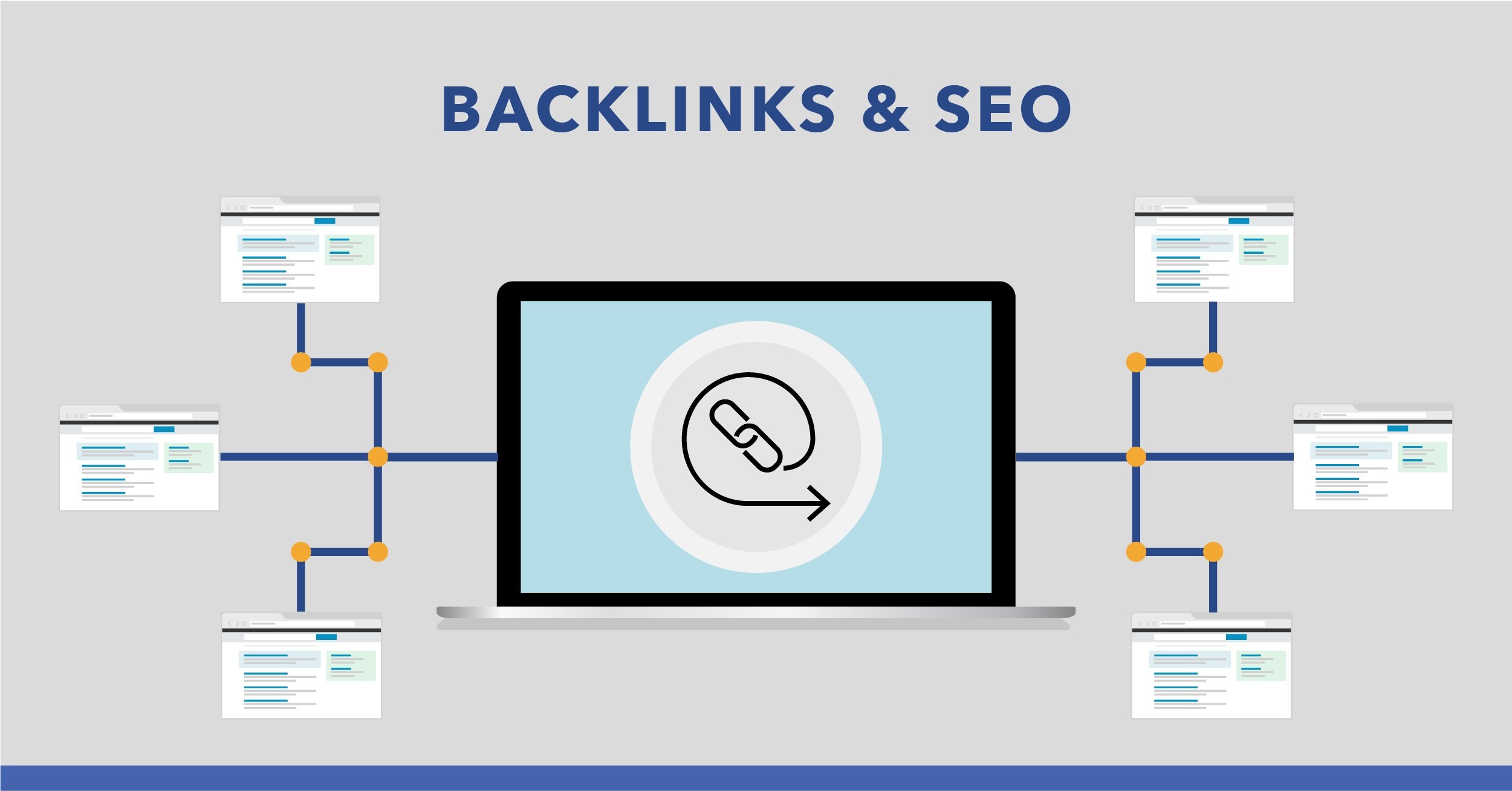
In Google’s eyes, every backlink acts as a “vote.” If reputable sites link to your content, it signals that your page is valuable, trustworthy, and authoritative.
This is why link building has always been the backbone of SEO. Search engines like Google, Bing, and Yahoo have evolved, but backlinks remain one of the strongest ranking factors.
Key semantic terms here:
- Inbound links (links pointing to your site)
- Referring domains (unique websites linking to you)
- Link juice (SEO value passed through a backlink)
- Link profile (the overall collection of backlinks to your site)
Why Do Backlinks Matter in SEO?
Backlinks remain one of the most influential signals that search engines use to measure the quality and relevance of a website. While Google’s algorithms continue to evolve, backlinks still serve as the backbone of authority and trust online. Here’s a deeper look into why backlinks are so critical for your SEO success.
Authority & Trust
Search engines evaluate a website’s authority largely through the quality of its backlinks. When an established publication like The New York Times, Forbes, or an industry-leading blog links to your content, it acts as a vote of confidence. Google interprets these signals as proof that your website is trustworthy, relevant, and worth ranking.
On the other hand, a link from an unknown blog with no traffic carries little to no authority. In SEO, not all links are created equal — one powerful backlink from a high-authority source can outweigh dozens of low-quality ones. This is why earning backlinks from respected domains in your niche should always be a priority in any serious link-building strategy.
Rankings
There’s a strong and proven correlation between backlinks and rankings. Pages with more high-quality backlinks consistently appear higher in Google’s search results. Studies analyzing millions of search queries show that the number of referring domains to a page is one of the most reliable predictors of its search engine performance.
The logic is simple: if many reputable sites link to your page, search engines assume your content provides value, making it more likely to rank at the top. While on-page SEO factors like keyword optimization and technical health are essential, backlinks remain the deciding factor in competitive niches.
Referral Traffic
The value of backlinks extends beyond rankings. A strategically placed backlink can become a steady source of referral traffic. Imagine your article being referenced in a popular niche blog, a well-followed forum, or a viral news story — each link becomes a gateway for readers to discover your brand.
Unlike organic rankings, which can fluctuate with algorithm changes, referral traffic is more consistent and can drive highly engaged visitors. These are users who arrive on your site already interested in your topic, meaning they are more likely to convert into leads or customers.
Brand Visibility
Backlinks also enhance brand visibility and recognition. When your site is mentioned and linked by respected voices in your industry, it positions your brand as a credible authority. This kind of exposure not only helps with SEO but also builds trust among potential customers.
For example, being linked in an expert roundup, a guest post, or a news feature signals to readers that your brand is worth paying attention to. Over time, consistent mentions across authoritative platforms create a snowball effect, strengthening your brand’s reputation both in search engines and in the minds of your audience.
Different Types of Backlinks: Which Ones Actually Matter?
Not all backlinks are created equal. Some can push your rankings to the first page of Google, while others can harm your site and trigger penalties. Understanding the different types of backlinks is crucial if you want to build a strong, safe, and effective SEO strategy.
Below, we’ll break down the main categories of backlinks, explain how they work, and evaluate their strengths and weaknesses.
Dofollow Backlinks
Dofollow backlinks are the gold standard in link building. They pass link juice and full SEO value from one site to another, directly boosting authority and rankings.
- How they work: By default, most links on the web are dofollow. When a site links to you without a “nofollow” tag, it transfers authority to your page.
- Why they matter: Google uses these signals to determine relevance, trust, and authority.
- Best use cases: High-authority editorial mentions, guest posts, and niche edits.
Pro tip from EnterBacklink: Focus on getting dofollow backlinks from trusted, niche-relevant sites. A single dofollow link from an authoritative site can be more powerful than dozens of low-quality ones.
Nofollow Backlinks
Nofollow backlinks contain a tag (rel="nofollow") that tells Google not to pass authority. While they don’t directly boost rankings, they still play an important role.
- Why they matter:
- Diversifies your backlink profile.
- Can drive referral traffic.
- Sometimes ignored by Google — meaning they still pass some value.
- Examples: Links in blog comments, sponsored posts, or social media profiles.
Pro tip: Don’t ignore nofollow links. A natural backlink profile always includes a mix of dofollow and nofollow. If all your links are dofollow, it looks suspicious to Google.
Editorial Backlinks
Editorial backlinks are links you earn naturally when someone references your content because it provides genuine value.
- Why they matter: These links are the strongest signal of trust and authority in SEO.
- Examples:
- A journalist quoting your research.
- A blogger linking to your guide as a resource.
- An industry site mentioning your brand.
Pro tip: Create link-worthy content — case studies, data reports, infographics, or ultimate guides. These naturally attract editorial backlinks over time.
Guest Post Backlinks
Guest post backlinks come from writing articles for other websites and linking back to your own.
- Why they work: You control the anchor text, placement, and context.
- Risks: Low-quality guest posts (especially on irrelevant sites) can be flagged as manipulative.
- Best practices:
- Pitch high-quality blogs in your niche.
- Provide real value to the host site.
- Use contextual, natural anchor text.
Pro tip: Google still values quality guest posts — as long as they are relevant and not spammy. At EnterBacklink, we often combine guest posting with PBN links for a balanced strategy.
PBN Backlinks
PBN backlinks come from a Private Blog Network, a collection of high-authority expired domains repurposed to build links.
- Strength: Extremely powerful when built correctly. PBN links can move rankings fast, especially in competitive niches.
- Risks: If poorly managed, PBNs leave footprints that can trigger Google penalties.
- Best practices:
- Use unique hosting and IPs.
- Post high-quality, niche-relevant content.
- Diversify anchors to look natural.
Pro tip: PBNs are not dead. They’re risky if misused but remain one of the most effective tools when managed by professionals. That’s why EnterBacklink provides footprint-free, managed PBN backlinks that stay safe and powerful.
Niche Edit Backlinks
Niche edits (also called curated links) are backlinks inserted into existing articles on relevant websites.
- Why they’re effective:
- The article is already indexed and has authority.
- The backlink appears naturally in context.
- Examples: Adding a link to your SEO guide inside a popular blog post about marketing.
Pro tip: Niche edits are powerful because they blend naturally into aged content. Always ensure the placement makes sense to readers.
Web 2.0 Backlinks
Web 2.0 backlinks come from free publishing platforms like Medium, Blogger, or WordPress.com.
- Strength: Easy to create, help diversify link profiles, and offer full content control.
- Weakness: Generally low authority unless the site itself gains traction.
- Best use cases: Tier 2 or Tier 3 backlinks in a multi-tier strategy.
Pro tip: Use Web 2.0s to build supporting content that links to your main site and other high-authority sources, making them look natural.
Forum & Comment Links
These are backlinks gained by participating in online communities (forums, Q&A platforms, or blog comments).
- Strength: Drive referral traffic and build niche relevance.
- Weakness: Minimal SEO value — often nofollow. Excessive use looks spammy.
- Examples: Quora answers, Reddit posts, blog comments.
Pro tip: Use forum and comment links sparingly. They should supplement your profile, not form the foundation.
Which Backlinks Should You Focus On?
Here’s the truth: not all backlinks are equal. Some carry massive authority, while others are nearly worthless.
- Most valuable: Editorial backlinks, guest posts on authority sites, niche edits, and well-managed PBNs.
- Supportive but weaker: Nofollow, Web 2.0, forum links.
- Risky if misused: Spammy blog comments, low-quality PBNs, irrelevant guest posts.
The key is balance. A natural backlink profile includes a mix of strong authority links, niche-relevant placements, and safe diversification links.
Backlinks remain the foundation of SEO. But as we’ve seen, not all links are created equal. A single editorial or PBN backlink from a trusted, niche-relevant domain can move rankings dramatically, while hundreds of spammy comment links won’t do much.
The secret is strategy. Build a diverse backlink profile, focus on quality over quantity, and choose partners who understand how to manage risk. Done right, backlinks won’t just boost rankings — they’ll also drive referral traffic, brand visibility, and long-term authority.
At EnterBacklink, we’ve been building backlinks for nearly a decade. From PBN backlinks to entity-based strategies, we know what works and what puts sites at risk. If you’re ready to scale safely and effectively, explore our services — and start building links that truly matter.
How Google Evaluates Backlinks ?
At EnterBacklink, we often tell clients that not all backlinks are created equal. You could build 1,000 links, but if they are low-quality, off-topic, or spammy, they may not help you rank—and in some cases, they could even hurt your SEO. What truly matters is how Google evaluates backlinks. Let’s break it down.
Relevance: Context Is King
Google places heavy weight on whether a backlink comes from a site relevant to your niche. For example, if you run a health and fitness blog, a backlink from Men’s Health or a nutrition research site carries far more value than a random link from a cooking forum. Relevance tells search engines that your content is being endorsed by experts within the same industry.
Authority: The Power of Trust
Backlinks are essentially votes of confidence, but not all votes are equal. Google looks at Domain Authority (DA), Page Authority (PA), Trust Flow (TF), and Citation Flow (CF) to gauge how influential a site is. A single link from The New York Times, Forbes, or an established industry leader can be more powerful than hundreds of small, low-traffic blogs. At EnterBacklink, we prioritize building links from sites with strong authority metrics because these directly impact search engine trust.
Placement: Where the Link Lives
Google also evaluates where the backlink is placed. A contextual link inside the body of a well-written article carries more SEO weight than a link buried in a footer, sidebar, or author bio. Why? Because in-content links are seen as editorial endorsements, whereas footer or sidebar links are often automated or paid placements. That’s why high-quality editorial backlinks are considered the gold standard.
Anchor Text: The Signal Words
The clickable text of a backlink, known as anchor text, sends strong signals to Google about what the linked page is about. For instance, if multiple sites link to you using the phrase “SEO backlinks guide,” Google starts associating your page with that keyword. However, over-optimization is dangerous. Using the same keyword-rich anchor text repeatedly can trigger spam signals. A healthy backlink profile mixes branded anchors, generic terms like “click here,” and keyword-focused anchors.
Traffic & Engagement: Real Users Matter
Search engines don’t just analyze the link itself—they also look at the linking site’s organic traffic and user engagement. If a backlink comes from a website that receives thousands of real monthly visitors, that link is far more valuable than one from a dead site with no traffic. Plus, referral clicks from popular sites drive direct users to your content, boosting both visibility and brand trust.
Google’s backlink evaluation is a mix of relevance, authority, placement, anchor text, and real traffic. At EnterBacklink, we’ve seen time and time again that a single high-authority, niche-relevant link can outweigh hundreds of weak or spammy links. Quality always beats quantity in the long run.
If you want your backlinks to move the needle, focus on building natural, authoritative, and contextual links that align with Google’s criteria. That’s the strategy that sustains rankings and protects your site during every algorithm update.
How to Build Backlinks (Beginner-Friendly Strategies) ?
At EnterBacklink, we know one of the most common questions beginners ask is: “How do I actually build backlinks?”
The truth is, backlinks are the backbone of SEO. They act as votes of confidence, telling search engines that your content is valuable, trustworthy, and worth ranking. But here’s the good news: you don’t need to be a technical SEO wizard to start building links. If you follow beginner-friendly strategies, you can steadily grow your backlink profile and improve your rankings without risking penalties.
Let’s break down the most effective and sustainable backlink strategies for beginners.
Create High-Value Content (The Foundation)
Backlinks are earned, not just built. At the core of every successful link-building campaign is content that deserves to be linked to. Think about it: why would someone link to your site unless you offer something useful, unique, or insightful?
Here are a few proven content formats that naturally attract backlinks:
- Comprehensive Guides – “Ultimate guides” or “Beginner’s handbooks” that cover a topic in detail often become reference points. For example, a complete guide on “SEO backlinks” can attract links from blogs and agencies that don’t want to rewrite the basics themselves.
- Data-Driven Studies – People love citing original data. If you collect statistics, run surveys, or analyze industry trends, bloggers and journalists will link to your findings.
- Infographics – Visual content is easy to share and often picked up by other sites that want to simplify complex ideas for their readers.
- Original Research & Case Studies – Sharing your unique process, results, or insights makes your content more credible and link-worthy.
Tip from EnterBacklink: Before creating content, check what’s already ranking. Then ask yourself, “How can I make this 10x better?” That’s the type of content that earns links.
Guest Posting (Still Effective in 2025)
Guest posting remains one of the most beginner-friendly and effective ways to earn backlinks. The idea is simple: you write an article for another website, and in return, you get a backlink to your own site.
To make guest posting work:
- Target relevant blogs in your niche — not random sites.
- Focus on quality content that genuinely helps the audience.
- Don’t stuff links; usually 1–2 contextual backlinks are enough.
For example, if you run a fitness blog, writing a guest article on a nutrition or wellness website makes sense and provides relevant traffic.
Tip from EnterBacklink: Personalize your outreach. A well-crafted email with a clear pitch stands out more than generic “Dear Webmaster” messages.
Broken Link Building
One of the most underrated tactics is broken link building. The concept is straightforward:
- Find websites in your niche with broken (dead) outbound links.
- Reach out to the site owner.
- Suggest your relevant content as a replacement.
This is a win-win situation — the webmaster fixes their broken link, and you earn a backlink.
Tools like Ahrefs, SEMrush, or Check My Links (a Chrome extension) make it easy to spot broken links on resource pages, blogs, and directories.
Tip from EnterBacklink: Keep your outreach polite and helpful. Don’t just ask for a link—show them where the broken link is and explain why your resource is a great replacement.
Digital PR (Modern Link Building)
Think of digital PR as the upgraded version of traditional link building. Instead of chasing small blogs, you aim for editorial mentions from big media outlets, podcasts, and industry sites.
Examples of digital PR strategies:
- Pitching story ideas to journalists.
- Publishing unique research that gets picked up by news outlets.
- Offering expert commentary for trending topics.
- Getting featured in niche podcasts or online interviews.
These backlinks are incredibly powerful because they usually come from high-authority domains and drive direct referral traffic.
Tip from EnterBacklink: Use tools like MuckRack, Prowly, or even LinkedIn to connect with journalists in your niche.
HARO (Help a Reporter Out)
If digital PR feels advanced, HARO is a beginner-friendly starting point. Help a Reporter Out (HARO) is a platform where journalists post queries for expert sources. By responding with valuable insights, you can get quoted in major publications — often with a backlink.
For example, a journalist writing about “SEO strategies for small businesses” might ask for expert tips. If you respond quickly with a thoughtful answer, your brand could be mentioned (and linked) in a high-authority site like Business Insider, HubSpot, or Inc.
Tip from EnterBacklink: Speed matters. Journalists receive dozens of pitches. The faster and more relevant your response, the better your chances of being featured.
Niche Edits (Contextual Additions)
Unlike guest posts where you write new content, niche edits involve adding your backlink into an existing article on a relevant website. This is powerful because:
- The article is already indexed and may have traffic.
- The link feels natural within a live, established page.
- It saves you time since you don’t have to create brand-new content.
To secure niche edits, you can either reach out to site owners directly or work with agencies that have relationships with publishers.
Tip from EnterBacklink: Make sure the surrounding content is relevant to your niche. Random placements on unrelated blogs can do more harm than good.
Resource Pages (Low-Hanging Fruit)
Many websites maintain resource pages — curated lists of helpful tools, guides, and links for their audience. These are perfect spots for backlinks.
How to use this strategy:
Search Google for queries like:
- “Your keyword + useful resources”
- “Your keyword + recommended tools”
- “Your keyword + inurl:resources”
Find pages that are actively maintained.
Pitch your content as a valuable addition to their list.
For example, if you’ve created a detailed guide on “link building strategies,” you could reach out to SEO blogs with resource pages on “SEO tools & learning materials.”
Tip from EnterBacklink: Always frame your pitch as adding value to their readers, not just promoting your content.
Building backlinks doesn’t have to be overwhelming. As a beginner, focus on sustainable, white-hat strategies like:
- Creating content worth linking to.
- Writing guest posts on relevant sites.
- Helping webmasters fix broken links.
- Leveraging HARO and digital PR.
- Securing niche edits in existing articles.
- Getting listed on resource pages.
Remember, backlink building is a long-term game. Consistency matters more than quick wins. A few high-quality, relevant links will always outweigh hundreds of spammy ones.
At EnterBacklink, we’ve helped beginners and brands alike scale their backlink profiles with these very strategies. If you apply them consistently, you’ll not only boost your SEO but also increase brand visibility, referral traffic, and industry credibility.
Common Backlink Mistakes to Avoid (and How to Measure Success)
At EnterBacklink, we’ve seen it all: beginners pouring money into backlinks, only to watch their sites sink instead of rise. The truth is, building backlinks is as much about avoiding mistakes as it is about earning quality links. If you’re careless, Google will notice — and not in a good way.
Let’s break down the most common backlink mistakes and then show you how to measure success properly so you can stay on track.
Common Backlink Mistakes to Avoid
Over-Optimized Anchor Text
Using the exact same keyword-rich anchor text over and over (like “best SEO backlinks”) screams manipulation. Google’s Penguin algorithm targets this kind of spammy pattern. Instead, diversify your anchor text with branded, generic, and partial-match variations.
Buying Low-Quality Bulk Backlinks
Tempted by offers like “5,000 backlinks for $20”? Don’t fall for it. These usually come from spammy sites, link farms, or irrelevant forums. Not only do they fail to help, but they can also trigger a Google penalty.
Relying Only on PBN Backlinks
We know PBN backlinks can be powerful — but relying exclusively on them is dangerous. Without diversity (editorials, guest posts, niche edits, etc.), your backlink profile looks unnatural. Balance is the key.
Ignoring Nofollow Links
Some beginners dismiss nofollow backlinks entirely. While they don’t pass as much link juice, they’re part of a natural backlink profile. Plus, they can bring referral traffic and brand exposure.
Building Links Too Quickly
Google pays attention to link velocity — how fast you’re acquiring new backlinks. If you go from 0 to 500 links in a week, it looks unnatural. Steady, consistent growth is safer and more sustainable.
Forgetting About Internal Linking
Many beginners chase external backlinks but neglect internal links. Internal linking helps distribute link equity across your site, strengthens topical relevance, and supports the user journey. It’s the easiest “backlink” you control — don’t waste it.
Measuring Backlink Success
So, how do you know if your backlink strategy is working? Instead of blindly guessing, track these key metrics:
- Domain Authority (DA) & Page Authority (PA) – From Moz, these measure the overall strength of the linking domains and pages. Higher is better.
- Citation Flow (CF) & Trust Flow (TF) – From Majestic, these show the balance between quantity and quality of backlinks. A healthy profile has high TF relative to CF.
- Referring Domains – The number of unique websites linking to you. One hundred links from one domain isn’t as powerful as ten links from ten domains.
- Organic Traffic Growth – The ultimate goal of backlinks is ranking and traffic. Use Google Analytics and Search Console to see real-world impact.
- Keyword Rankings – Monitor target keywords. If they’re climbing steadily, your backlinks are doing their job.
Best Tools to Track and Analyze Backlinks
To build a strong backlink strategy, you need more than just links—you need data. Tracking backlinks properly helps you separate powerful links from toxic ones, measure authority, and monitor growth over time. At EnterBacklink, we’ve tested dozens of platforms, but a handful stand out as the most reliable for SEO professionals and beginners alike.
Ahrefs is often considered the gold standard in backlink analysis. With one of the largest link databases on the web, it allows you to check your backlink profile, monitor new and lost links, and analyze competitor strategies. It’s especially useful for spotting high-authority referring domains you may want to target.
SEMrush goes beyond backlink tracking by combining it with keyword ranking data, site audits, and link-building tools. It’s an all-in-one SEO platform, but for backlinks specifically, its Backlink Audit Tool is excellent for identifying potentially harmful links that might drag your rankings down.
Majestic is a specialist tool focused entirely on links. Its proprietary metrics—Trust Flow (TF) and Citation Flow (CF)—give you an easy way to assess link quality and quantity. If you want to quickly compare domains or vet potential backlink opportunities, Majestic is unmatched.
Moz is another popular option, providing Domain Authority (DA) and Page Authority (PA) metrics. These scores help you gauge the relative strength of linking sites and pages. While its index isn’t as deep as Ahrefs, Moz remains a trusted reference point for many SEO professionals.
Finally, Google Search Console should not be overlooked. It’s free, reliable, and directly from Google itself. Use it to see which sites are linking to you, how links affect organic search rankings, and to request indexing after new backlinks are built.
Together, these tools provide the foundation for smart backlink tracking and long-term SEO success.
Backlinks are powerful — but only if you build them wisely. At EnterBacklink, we recommend avoiding shortcuts, focusing on diversity, and monitoring progress with the right tools. Remember: quality beats quantity every single time.
Play the long game, measure results, and your backlink profile will become one of your site’s biggest SEO assets.
The Future of Backlinks: What to Expect in 2025 and Beyond
Backlinks have always been one of the most powerful signals in Google’s algorithm. But as search evolves, so does the way backlinks are measured. In the past, SEO was about raw numbers. A decade ago, thousands of low-quality links could push a site to the top of the SERPs. Those days are long gone. Google’s algorithm has matured through updates like Penguin, the Helpful Content Update, and SpamBrain—punishing manipulative tactics while rewarding trust, relevance, and authority.
In 2025, the future of backlinks is not about volume—it’s about context, quality, and integration. Links are no longer just votes; they are signals of credibility within a broader entity-based and semantic search ecosystem.
AI-driven search engines like Google’s Search Generative Experience (SGE) are placing more emphasis on entity relationships, user intent, and brand authority. This means that backlinks without relevance or context hold less weight. A link from a niche-relevant, authoritative source is worth far more than dozens from unrelated websites.
Future-Proof Backlink Strategies
To stay ahead of the curve, SEOs and businesses must shift their approach:
- Prioritize niche-relevant websites: A backlink from an industry-specific blog, directory, or publication aligns your brand with the right context.
- Embrace brand mentions and co-citations: Even unlinked mentions can build authority when paired with quality backlinks.
- Use content-driven link building: Data studies, in-depth guides, and thought leadership pieces earn natural backlinks and age well over time.
- Blend backlinks with on-page SEO: A strong internal linking structure combined with quality backlinks creates compounding authority.
- Maintain natural link velocity: Building too many links too fast signals manipulation. Sustainable growth is safer and more effective.
- Avoid footprints in PBNs or networks: Backlinks from private blog networks can work if managed carefully, but footprints expose risk.
The New Rules of Backlinks
Moving forward, the blueprint for success is clear:
- Quality beats quantity – One link from a trusted site outweighs dozens from weak sources.
- Relevance is everything – Backlinks must align with your niche and keyword intent.
- Diversification builds trust – A natural backlink profile includes a mix of guest posts, niche edits, PBNs, PR mentions, and branded citations.
- Long-term thinking wins – Instead of chasing quick wins, build a sustainable link-building ecosystem around content and relationships.
Key Takeaways
Backlinks are not disappearing—they are evolving. They remain one of the strongest ranking factors in SEO, but the bar for what qualifies as a “quality backlink” is higher than ever. Brands that succeed will be those that combine backlinks, content, PR, and on-page SEO into a unified strategy.
The future belongs to websites that earn trust, relevance, and authority—backed by backlinks that prove it.
Final Words
At EnterBacklink, we’ve spent more than 10 years building, testing, and refining backlink strategies across dozens of industries. One thing has never changed: backlinks drive authority, rankings, and traffic.
If you’re serious about SEO in 2025, make backlinks the backbone of your strategy. Start small, focus on quality, and scale smart. Done right, backlinks are not just links — they’re the bridges that connect your site to visibility, trust, and long-term growth.
Frequently Asked Questions About Backlinks
What are backlinks in SEO?
Backlinks are hyperlinks from one website to another. In SEO, they act like “votes of confidence” that signal to Google your site is trustworthy and relevant. The more high-quality backlinks you earn, the higher your chances of ranking well.
Why are backlinks important for Google rankings?
Backlinks are one of Google’s strongest ranking factors. They help search engines evaluate your site’s authority, relevance, and credibility. A site with high-quality backlinks often outperforms competitors with fewer or low-quality links.
What makes a backlink high quality?
A quality backlink comes from a relevant, authoritative site with organic traffic. Factors include placement in the main content, natural anchor text, and whether the linking page itself is trustworthy.
Do all backlinks carry the same SEO value?
No. Backlinks differ by authority, relevance, anchor text, placement, and traffic. A single backlink from a niche-relevant authority site can outweigh hundreds of spammy or irrelevant links.
What is the difference between dofollow and nofollow backlinks?
- Dofollow links pass link equity (PageRank) and directly impact rankings.
- Nofollow links tell Google not to transfer authority but still drive traffic and build brand visibility. A natural link profile usually contains both.
Can backlinks hurt your SEO?
Yes. Spammy backlinks from low-quality or irrelevant sites can trigger Google penalties. That’s why monitoring your backlink profile and disavowing harmful links in Google Search Console is essential.
How fast should you build backlinks (link velocity)?
Google expects natural link growth. Building links too fast can look manipulative. Instead, focus on consistent, gradual link acquisition that matches your site’s growth and content updates.
What are some safe link building strategies?
- Guest posting on niche-relevant sites
- Creating high-value content that earns natural links
- Digital PR and brand mentions
- HARO (Help a Reporter Out) outreach
- Internal linking to strengthen authority flow
Which tools are best for tracking backlinks?
Popular tools include:
- Ahrefs for backlink profiles and competitor analysis
- SEMrush for keyword + link audits
- Majestic for Trust Flow and Citation Flow
- Moz for DA/PA metrics
- Google Search Console for free backlink data
How does Google evaluate backlinks in 2025?
Google now focuses on context, semantic relevance, and trust signals. AI-driven algorithms like SpamBrain and Helpful Content Update prioritize natural, user-first links instead of manipulative link schemes.
Are backlinks still the #1 ranking factor in SEO?
Backlinks remain one of the strongest ranking signals. However, they now work alongside content quality, semantic SEO, user experience, and brand authority. In short: backlinks matter, but context matters more.
What is the future of backlinks in SEO?
With entity-based SEO and semantic search, backlinks are evolving from simple votes to trust signals. Future-proof strategies involve earning links from niche websites, building brand mentions, and integrating backlinks with strong on-page SEO.
Should I buy backlinks for faster results?
Buying backlinks is risky. Google explicitly penalizes paid link schemes. Instead, invest in ethical link-building strategies like content marketing, outreach, and PR to build a sustainable profile.
How can small websites compete with big brands in link building?
Small sites should focus on niche relevance. Even a few backlinks from industry-specific blogs or forums can outperform generic links that big brands acquire. Quality beats quantity.
How do internal links compare to backlinks?
Backlinks come from external sites, while internal links connect pages within your site. Both are important: internal links help distribute authority and improve crawlability, while backlinks build trust and rankings externally.